Common Chimney Problems Found During Inspections
To identify and address common chimney problems found during inspections, local service providers can evaluate your chimney’s condition and recommend necessary repairs.
Property owners in the area often find that inspections reveal common chimney problems that can impact safety, efficiency, and overall performance. Recognizing these issues early can prevent costly repairs and ensure that a chimney functions properly during colder months or cozy gatherings. Understanding what to look for-and knowing that local service providers are available to handle inspections-can give peace of mind and help maintain the integrity of a home’s chimney system.
During routine inspections, common chimney problems found can include cracked or deteriorated masonry, creosote buildup, and damaged flashing. These issues are typical but can sometimes go unnoticed until they cause more serious concerns. Local contractors who specialize in chimney inspections are equipped to identify these problems and recommend the appropriate steps for repair or maintenance. Exploring this topic can help property owners stay informed about potential issues and understand the value of professional inspections in keeping their chimneys safe and operational.
- Homeowners may need chimney inspections to identify common chimney problems like creosote buildup that can increase fire risk, with local contractors using specialized tools to thoroughly assess the flue and chimney structure. - During routine inspections, local service providers often find issues such as cracked or damaged chimney crowns that require repair to prevent water intrusion and further deterioration. - When signs of smoke or odors are present, local pros conduct inspections to uncover problems like blocked or deteriorated chimney liners that can affect venting efficiency. - Inspections may reveal structural concerns such as loose or crumbling bricks, prompting local contractors to recommend necessary repairs to maintain safety and stability. - Detecting moisture intrusion or rust damage during inspections often leads local pros to address issues like damaged flashing or deteriorated chimney caps that can cause leaks and damage.
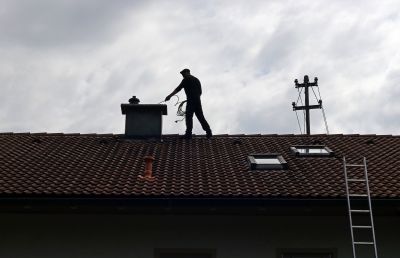
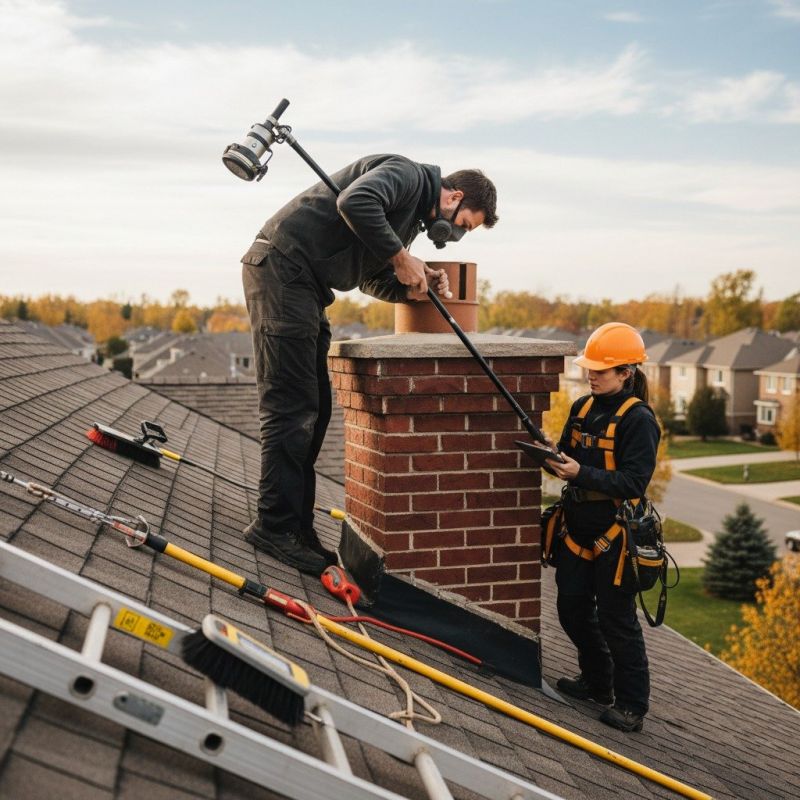
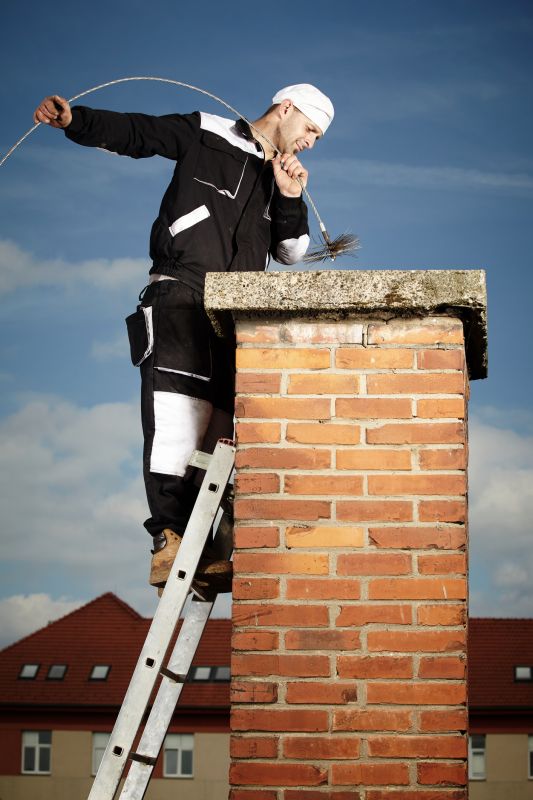
Understanding common chimney problems found during inspections is essential for homeowners who want to ensure their fireplaces and heating systems operate safely and efficiently. When searching this topic, many people are usually concerned about issues that could lead to fire hazards, indoor air quality concerns, or costly repairs if left unaddressed. These problems often relate to the structural integrity of the chimney, the condition of the flue lining, and the presence of blockages or buildup that can impede proper venting. Homeowners with older properties, homes with masonry chimneys, or those experiencing draft problems are particularly attentive to these inspection findings, as they may reveal underlying issues that need prompt attention.
The kinds of problems uncovered during inspections typically include cracked or damaged chimney masonry, deteriorated flue liners, and the accumulation of creosote or soot. Cracks or crumbling mortar joints in the chimney structure can allow moisture to seep in, leading to further deterioration and potential safety hazards. Deteriorated or missing flue liners may expose the home to the risks of combustible materials coming into contact with hot gases, increasing fire danger. Additionally, excessive creosote buildup inside the chimney can ignite if not cleaned regularly, posing a serious fire risk. Inspections often reveal these issues before they develop into more serious problems, making early detection critical for maintaining a safe and functional chimney system.
The types of properties that typically come up during these inspections are varied but often include older homes with masonry chimneys, historic properties, and residences that use wood-burning stoves or fireplaces regularly. Homes in regions with high humidity or frequent rain may be more prone to moisture-related damage, which can accelerate deterioration. Additionally, properties that have not had recent maintenance or inspections are more likely to present with common chimney problems. Commercial buildings or multi-unit residences with shared chimneys may also require thorough inspections to identify issues that could affect multiple units or occupants. Understanding the specific needs of these property types helps homeowners recognize the importance of professional inspections and timely repairs.
Local service providers who specialize in chimney inspections play a vital role in identifying and addressing common problems found during inspections. These professionals conduct thorough evaluations of the chimney’s structure, liner, and venting system, providing detailed insights into potential hazards or areas needing repair. They can recommend appropriate solutions, whether that involves masonry repair, liner replacement, or cleaning to remove creosote buildup. Homeowners benefit from working with experienced local contractors who understand regional building codes, common local issues, and the best practices for maintaining safe and efficient chimneys. Connecting with these service providers ensures that any identified problems are handled promptly, helping to preserve the safety, functionality, and longevity of the home’s chimney system.
Chimney Repair Projects - These projects involve fixing structural issues or damage identified during inspections, utilizing similar skills and tools as those used in diagnosing common chimney problems found during inspections.
Masonry Restoration - Restoring or repointing brick and mortar in chimneys requires planning and techniques comparable to addressing common chimney issues uncovered during inspections.
Flue Lining Replacement - Replacing or repairing flue liners involves understanding of chimney systems and safety considerations similar to those involved in inspecting for common problems during inspections.
Chimney Cap Installation - Installing or repairing chimney caps helps prevent issues like water damage and blockages, aligning with the preventative aspects of identifying common chimney problems during inspections.
Waterproofing and Sealing - Applying waterproofing treatments or sealants to chimneys addresses moisture-related issues that are often discovered during inspections of common chimney problems.
Ventilation System Upgrades - Improving chimney and venting systems requires planning and technical skills similar to those used in inspecting and diagnosing common chimney problems during inspections.
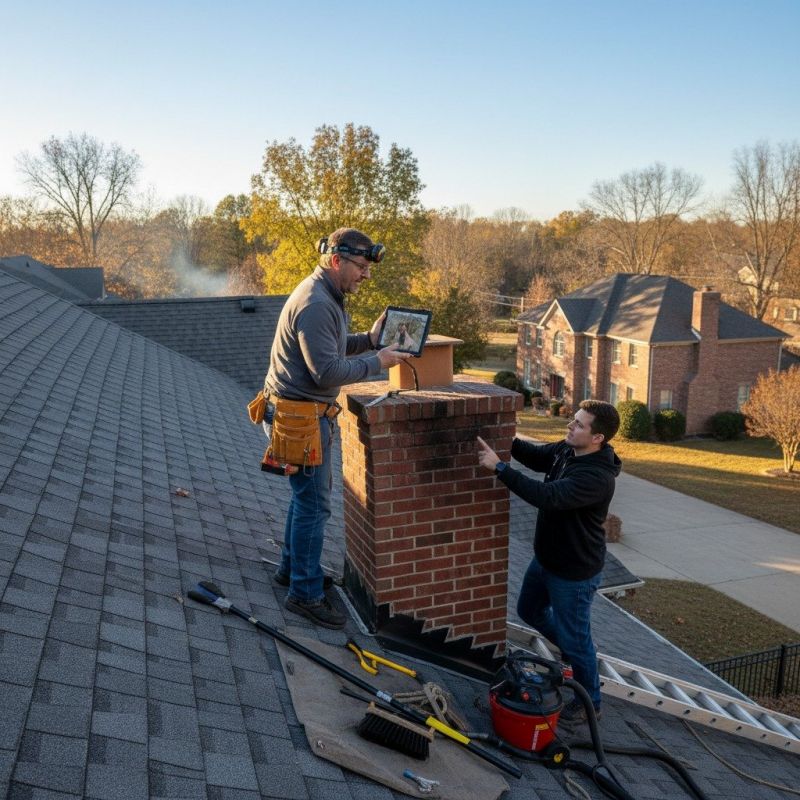
When comparing service providers for chimney inspections, it’s important to evaluate their experience with similar projects, particularly those involving common chimney problems found during inspections. Homeowners should inquire about how long the contractors have been handling chimney issues, including common concerns like creosote buildup, cracked mortar, or damaged flue liners. A contractor with a proven track record in addressing these specific issues is more likely to identify potential problems accurately and recommend effective solutions, ensuring the inspection is thorough and reliable.
Clear, written expectations are essential when selecting a chimney inspection service. Homeowners should seek providers who can articulate what the inspection will cover, including the scope of the visual assessment and any diagnostic procedures. This transparency helps prevent misunderstandings and ensures the homeowner understands what issues might be uncovered, such as structural damage or deterioration. Reputable service providers often provide detailed documentation or reports, which can serve as a useful reference for future maintenance or repairs.
Good communication and reputable references are key factors when evaluating local contractors. Homeowners can ask for references or reviews from previous clients who had similar chimney issues, providing insight into the contractor’s professionalism and quality of work. A service provider who communicates clearly, responds promptly to questions, and explains findings in understandable terms can help homeowners make informed decisions about necessary repairs or maintenance. These qualities contribute to a smoother inspection process and foster confidence that the contractor will handle the job competently and responsibly.
Property owners often search for common chimney problems found during inspections when they are planning practical projects around their homes and businesses. Local pros provide Chimney Inspection services for everyday jobs and straightforward project options.
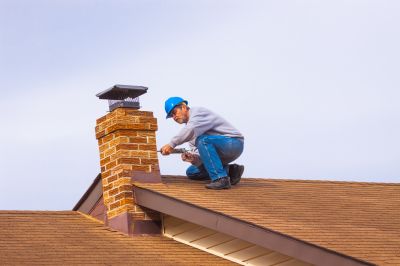
Many property owners in the area look up common chimney problems found during inspections to better understand potential issues that could affect their homes’ safety and efficiency. During routine inspections, issues such as cracked or missing mortar joints, creosote buildup, and damaged flue linings are frequently identified. These problems can lead to reduced draft, increased fire risk, or even costly repairs if left unaddressed. Local contractors who specialize in chimney inspections are well-equipped to identify these common issues early, helping homeowners maintain their chimneys and prevent more serious damage over time.
Homeowners often seek out information about typical problems uncovered during inspections to decide when professional help might be needed. Common chimney problems found during inspections might include deteriorated chimney crowns, loose or damaged bricks, and obstructions like nests or debris. Recognizing these issues early can make a difference in maintaining a safe and functional chimney system. Local service providers are available to perform thorough inspections, diagnose these common concerns, and recommend appropriate solutions to keep chimneys in good condition.
What are common chimney problems found during inspections? Common issues include creosote buildup, cracked or damaged chimney crowns, and deteriorated mortar joints that can affect safety and efficiency.
How can inspections reveal structural damage in a chimney? Inspections can identify cracked or crumbling bricks, leaning structures, or damaged flue liners that may compromise the chimney’s stability.
What signs of moisture intrusion are checked during a chimney inspection? Inspectors look for water stains, rusted components, or mold growth that indicate leaks or moisture problems within the chimney system.
Why is it important to detect blocked or restricted chimneys during inspections? Blockages from debris, animal nests, or creosote can prevent proper venting, increasing the risk of smoke or carbon monoxide entering the home.
How do inspectors identify issues with chimney flashing or exterior components? They examine the flashing for gaps or rust and check exterior masonry for cracks or deterioration that could lead to leaks or water damage.
Creosote buildup - Regular chimney inspections can identify creosote deposits that may pose fire risks, helping property owners plan for professional cleaning.
Cracked or damaged mortar - Detecting mortar deterioration during inspections allows for timely repairs to prevent further structural issues.
Blockages or obstructions - Identifying debris or animal nests during inspections helps property owners ensure safe and efficient chimney operation.
Damaged chimney caps or flashing - Spotting issues with caps or flashing during inspections enables prompt repairs to prevent water intrusion and damage.
If you are thinking about common chimney problems found during inspections for a property, this guide is meant to help you understand this topic, the typical project types, and how different options might fit your plans.
When you are ready, you can use the quote form on this page to share a few details about your project. From there, local pros can review the basics and follow up with options that match what you have in mind.