How Often Chimneys Should Be Inspected And Cleaned
To ensure safe and efficient fireplace use, local contractors can assess how often chimneys should be inspected and cleaned based on your home’s needs.
If you own a property that features a chimney, understanding how often it should be inspected and cleaned is essential for maintaining safety and efficiency. Many property owners in the area find it helpful to stay informed about recommended inspection schedules, especially as factors like usage frequency, chimney age, and local weather conditions can influence maintenance needs. Regular inspections can help identify potential issues early, preventing costly repairs and ensuring your fireplace or stove operates smoothly throughout the year.
Fortunately, local contractors who specialize in chimney inspection and cleaning are available to provide expert assessments tailored to your specific situation. These professionals can evaluate the condition of your chimney, recommend appropriate cleaning intervals, and address any concerns that might arise between inspections. Exploring this topic further can help you make informed decisions about your chimney’s upkeep, ensuring it remains safe and functional for years to come.
- Chimney Inspection and Cleaning - homeowners with annual fireplace use should schedule inspections and cleanings to ensure safe and efficient operation, with local contractors providing thorough assessments.
- Chimney Inspection and Cleaning - after experiencing smoke backflow or unusual odors, residents can contact local pros to evaluate and remove creosote buildup that may hinder proper venting.
- Chimney Inspection and Cleaning - before the start of the heating season, scheduling a professional inspection and cleaning helps prevent fire hazards and maintains optimal performance.
- Chimney Inspection and Cleaning - following a chimney fire or damage from weather events, local service providers can perform detailed inspections and necessary cleanings to restore safety.
- Chimney Inspection and Cleaning - homes with infrequent use or older chimneys benefit from periodic inspections and cleanings by local pros to identify potential issues early.
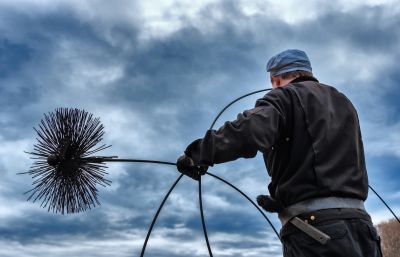
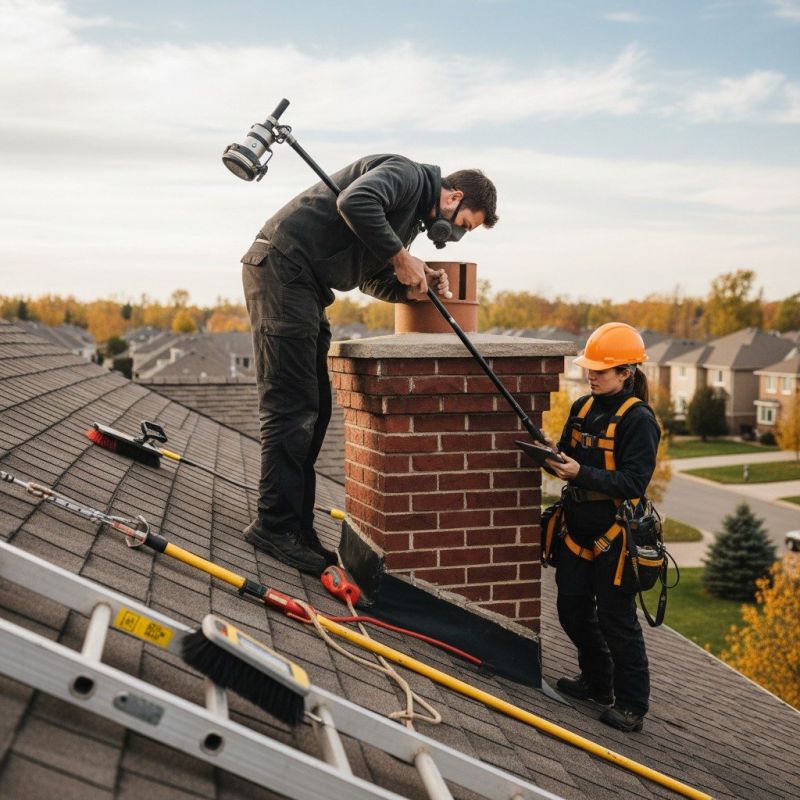
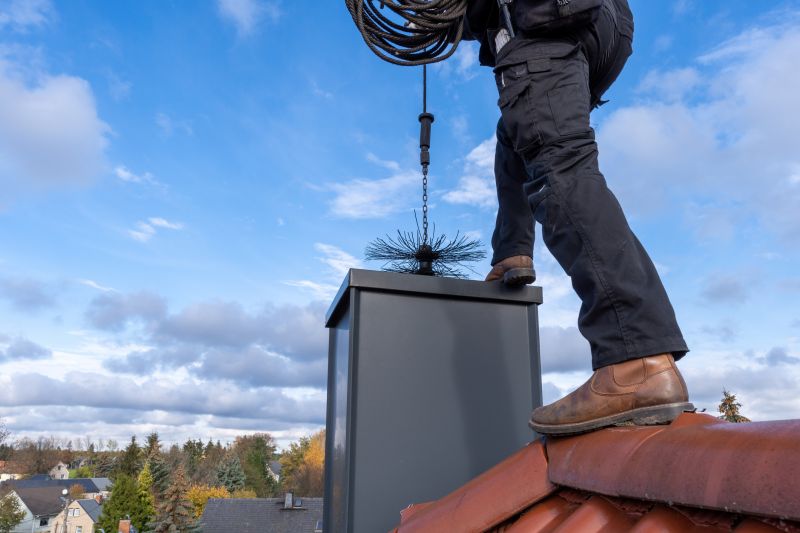
When people search for how often chimneys should be inspected and cleaned, they are usually seeking guidance to ensure their fireplaces and heating systems operate safely and efficiently. Homeowners often want to prevent common problems such as creosote buildup, blockages, or damage that can lead to fire hazards or inefficient heating. The search may stem from concerns about safety, code compliance, or simply maintaining the longevity of the chimney system. Understanding the recommended inspection and cleaning frequencies helps homeowners plan routine maintenance and avoid costly repairs or dangerous situations caused by neglect.
The topic is closely related to a variety of property types, including single-family homes, multi-unit residential buildings, and even seasonal or secondary residences. Most homeowners with fireplaces, wood stoves, or pellet stoves consider regular inspections essential, especially if they rely heavily on these systems for heating. Commercial properties or properties with older chimney structures may require more frequent checks to address specific safety or structural concerns. In all cases, the goal is to ensure that the chimney remains free of obstructions, creosote deposits, and structural issues that could compromise safety or performance.
Understanding how often chimneys should be inspected and cleaned involves recognizing the different factors that influence maintenance schedules. For example, homes that burn wood regularly should have their chimneys inspected and cleaned at least once a year, typically before the start of the heating season. Less frequent use, such as seasonal or occasional fireplaces, might allow for longer intervals between inspections, but annual checks are generally recommended to catch potential problems early. Local contractors who specialize in chimney inspection and cleaning can assess the specific needs of each property, providing tailored advice based on usage patterns, chimney type, and condition.
Engaging with experienced service providers ensures that inspections and cleanings are performed thoroughly and correctly. These local contractors can identify hidden issues like cracks, deteriorated mortar, or obstructions that might not be visible to the untrained eye. They also help establish a maintenance routine aligned with the property's usage and local safety regulations. Regular inspections and cleanings by qualified professionals help maintain safe, efficient operation of the chimney system and provide peace of mind for homeowners, knowing that their property is protected from potential hazards caused by neglect or overlooked damage.
Chimney repair projects involve assessing and fixing structural issues, which requires similar inspection skills as determining when chimneys need cleaning and maintenance.
Fireplace installation services rely on planning and safety considerations that align with evaluating chimney conditions and ensuring proper ventilation.
Venting system upgrades involve inspecting and optimizing airflow, paralleling the need for regular chimney inspections to maintain safe operation.
Flue liner replacement projects focus on the internal components of chimneys, requiring detailed inspections to determine maintenance schedules.
Masonry restoration work involves assessing the integrity of chimney structures, which is essential for planning inspections and cleaning routines.
Damp-proofing and waterproofing services relate to protecting chimney exteriors, often requiring inspections similar to those for cleaning schedules to prevent damage.
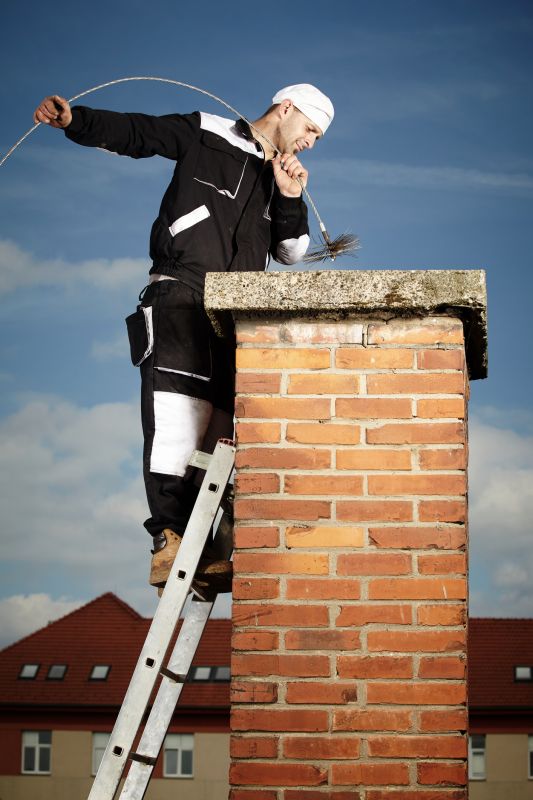
When comparing service providers for chimney inspection and cleaning, it’s important to consider their experience with similar projects. A contractor who has handled numerous chimney inspections and cleanings can bring valuable insight into common issues and the best practices for maintaining a safe and efficient chimney system. Homeowners should inquire about the contractor’s background, including how long they’ve been working in the field and their familiarity with different types of chimneys and fuel sources. This experience can help ensure that the service provider understands the nuances of how often chimneys should be inspected and cleaned based on individual household needs.
Clear, written expectations are essential when evaluating local contractors for chimney services. A reputable provider should be able to explain what the inspection and cleaning process involves, what issues they will look for, and how they determine if a chimney needs more extensive repairs or maintenance. Homeowners are encouraged to seek detailed descriptions of the services offered and any recommendations for frequency based on their specific fireplace or stove usage. Having this information in writing helps prevent misunderstandings and ensures that both parties are aligned on what the inspection and cleaning will entail.
Reputable references and good communication are key indicators of reliable service providers. Homeowners should ask for references or reviews from previous clients to gauge the quality of work and customer satisfaction. Additionally, effective communication-such as prompt responses to questions and the ability to clearly explain findings and recommendations-can make the process smoother. Service providers who prioritize transparency and are willing to answer questions about how often chimneys should be inspected and cleaned can help homeowners make informed decisions about ongoing maintenance, ultimately supporting the safety and efficiency of their chimney systems.
Property owners often search for how often chimneys should be inspected and cleaned when they are planning practical projects around their homes and businesses. Local pros provide Chimney Inspection and Cleaning services for everyday jobs and straightforward project options.
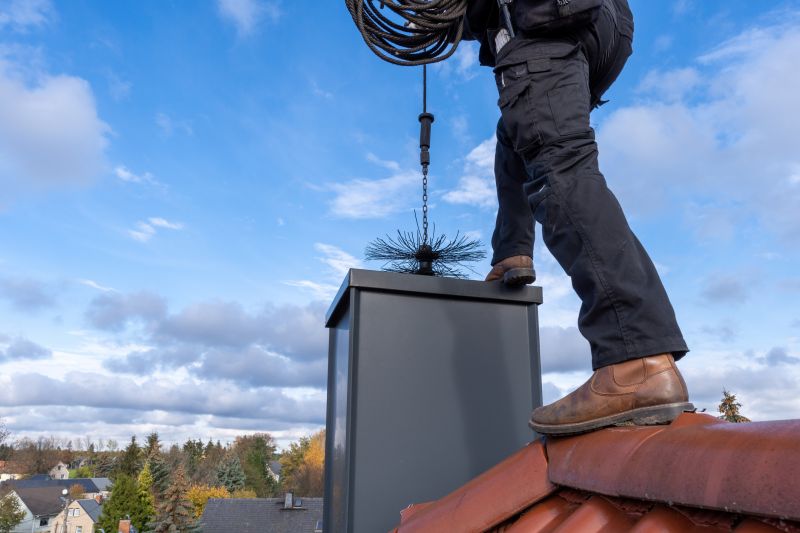
Many property owners in the area wonder how often chimneys should be inspected and cleaned to ensure safety and proper function. Regular inspections are especially important if a home is used frequently during colder months or if there are signs of soot buildup, blockages, or damage. In general, homeowners might look up this topic to determine whether their chimney needs a cleaning before the start of the winter season or after a particularly busy use period. Local contractors can provide professional assessments to help determine the ideal inspection schedule based on individual usage patterns and the condition of the chimney.
Cleaning and inspection services are often sought by those who want to prevent potential fire hazards, improve indoor air quality, or address issues that could cause smoke or carbon monoxide leaks. Property owners may also be interested in scheduling routine inspections to catch minor problems early before they develop into costly repairs. Connecting with experienced service providers can help ensure that chimneys are maintained properly, with inspections and cleanings performed at appropriate intervals to keep homes safe and functioning efficiently.
How often should chimneys be inspected? It is generally recommended to have chimneys inspected at least once a year by local contractors to ensure safety and proper functioning.
When should chimneys be cleaned? Chimneys should typically be cleaned when there is a buildup of creosote or soot, often once a year or more frequently if the fireplace is used heavily.
Are there specific times of year for inspections and cleaning? Most experts suggest scheduling inspections and cleanings before the start of the heating season and after heavy use periods to maintain safety and efficiency.
Can inspections help prevent chimney fires? Yes, regular inspections can identify potential hazards like creosote buildup or blockages that could lead to chimney fires, with local service providers able to perform necessary cleanings.
How do I know if my chimney needs cleaning sooner? Signs such as poor draft, smoke backing up into the home, or a strong odor indicate that a chimney cleaning may be needed, and local pros can assess and address these issues.
Schedule regular inspections - property owners can plan routine chimney checks with local contractors to ensure safety and proper functioning.
Follow manufacturer recommendations - understanding how often chimneys should be inspected and cleaned helps homeowners maintain their systems effectively.
Address specific usage patterns - frequent use or burning certain fuels may require more frequent cleaning, which local service providers can assist with.
Perform seasonal assessments - seasonal inspections by local pros help identify potential issues early and keep chimneys in optimal condition.
If you are thinking about how often chimneys should be inspected and cleaned for a property, this guide is meant to help you understand this topic, the typical project types, and how different options might fit your plans.
When you are ready, you can use the quote form on this page to share a few details about your project. From there, local pros can review the basics and follow up with options that match what you have in mind.